Getting braces changes how you eat, but it doesn’t have to feel limiting. If you’re wondering what you can eat with braces, this guide walks you through what’s safe, what to skip, and how to make mealtime easy from day one. With a little planning, you can still enjoy plenty of tasty, satisfying meals throughout your treatment.
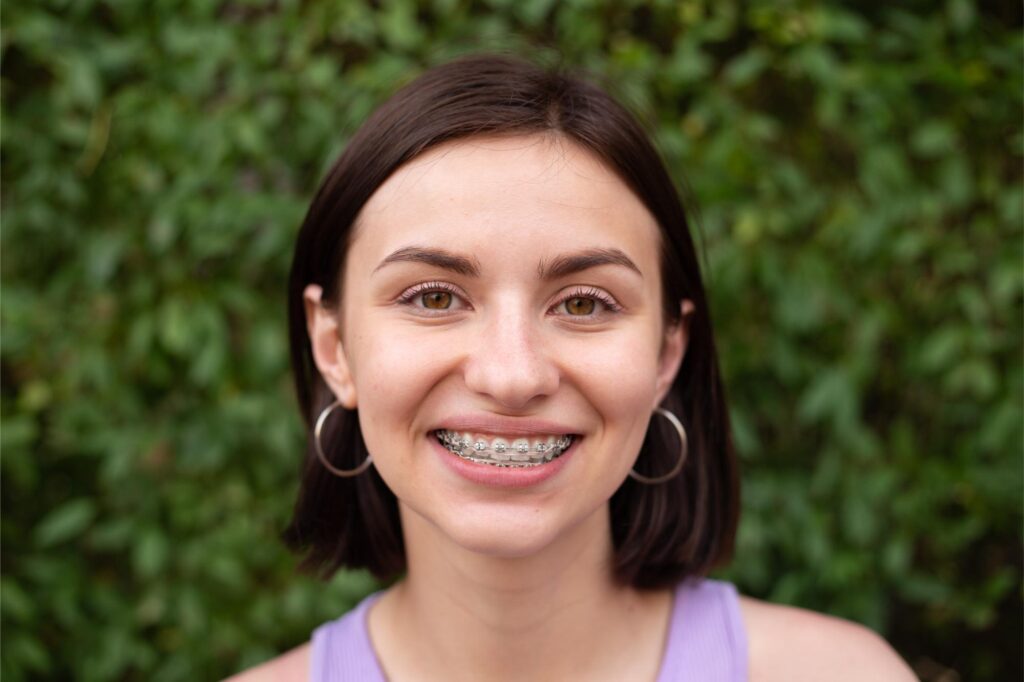
What Can You Eat With Braces?
With braces, you can eat soft, easy-to-chew foods across every major category: dairy, tender proteins, cooked grains, cooked vegetables, and soft fruits. The goal is simple. Choose foods that won’t bend wires or pop off brackets, and you’ll keep your treatment on track.
Braces-friendly foods share a few things in common. They’re soft enough to chew without heavy pressure, small enough to fit comfortably in your mouth, and gentle enough that they won’t tug or snag on your appliance. That includes yogurt, pasta, scrambled eggs, mashed potatoes, bananas, and plenty of other everyday favorites.
Why does this matter? A broken bracket or bent wire usually means an extra visit to your orthodontist, and that can add weeks (sometimes longer) to your total treatment time. Sticking to a braces-friendly diet is one of the easiest ways to finish on schedule.
These guidelines apply whether you’re wearing metal braces, clear braces, or a self-ligating system. At Booth Orthodontics, we walk every patient through a personalized food guide during their first visit so there are no surprises when you sit down to eat.
How Braces Affect Eating and Chewing
Braces work by applying steady, gentle pressure to move your teeth into their ideal position. That same pressure is why your mouth feels different when you eat, especially in the first several days after placement or an adjustment.
Here’s what’s happening in your mouth. Brackets are bonded to your teeth with a strong adhesive, but hard or sticky foods can pull them loose. Wires are designed to guide tooth movement, but crunching down on something tough can bend them out of shape. When either happens, the pressure system stops working the way it should.
Your teeth will also feel sore for about three to five days after your braces are placed, and again briefly after each adjustment. This is normal and a sign that treatment is working. Soft foods and cold treats help you eat comfortably during those tender days.
There’s one more reason food choices matter: hygiene. Small particles love to hide around brackets and wires, and when they linger, they can lead to decay or white spots on your teeth. Choosing foods that rinse away easily (and brushing after meals) keeps your smile healthy underneath your braces.
A few quick chewing tips make a big difference:
- Take smaller bites than you normally would
- Chew with your back molars, not your front teeth
- Slow down and let your mouth do the work
Broken appliances can delay treatment, so a little care goes a long way.
Best Foods to Eat With Braces
The good news? Your list of safe foods is much longer than your list of foods to skip. Below is a categorized breakdown of braces-friendly options you can enjoy throughout treatment.
Dairy
Dairy is a braces-wearer’s best friend. Soft, creamy, and packed with calcium for strong teeth.
- Yogurt (regular or Greek)
- Soft cheeses like mozzarella, brie, and cream cheese
- Cottage cheese
- Milk and milk-based drinks
- Pudding and custard
- Ice cream (skip the nuts and hard mix-ins)
Proteins
Tender, well-cooked proteins are easy to chew and gentle on brackets.
- Scrambled eggs
- Soft-cooked chicken (shredded or slow-cooked works well)
- Flaky fish like salmon, tilapia, or cod
- Tofu
- Beans and lentils
- Meatballs and meatloaf
Grains
Cooked grains give you energy without stressing your appliance.
- Pasta of any shape
- Rice
- Oatmeal
- Soft sandwich bread (avoid crusty loaves)
- Pancakes and waffles
- Soft tortillas
Cooked Vegetables
Cook your veggies until they’re fork-tender and they become totally braces-safe.
- Mashed potatoes
- Steamed carrots, broccoli, and green beans
- Sautéed spinach
- Zucchini and squash
- Sweet potatoes
Soft Fruits
Fresh fruit is still on the menu, just choose softer varieties or prep them a little differently.
- Bananas
- Berries (strawberries, blueberries, raspberries)
- Applesauce
- Ripe peaches, pears, and plums
- Melon
- Grapes cut in half
Treats
Yes, you can still enjoy dessert. Just keep it soft.
- Smoothies and milkshakes
- Jello
- Soft-baked cookies (no nuts)
- Cake and cupcakes without hard toppings
- Chocolate that melts in your mouth
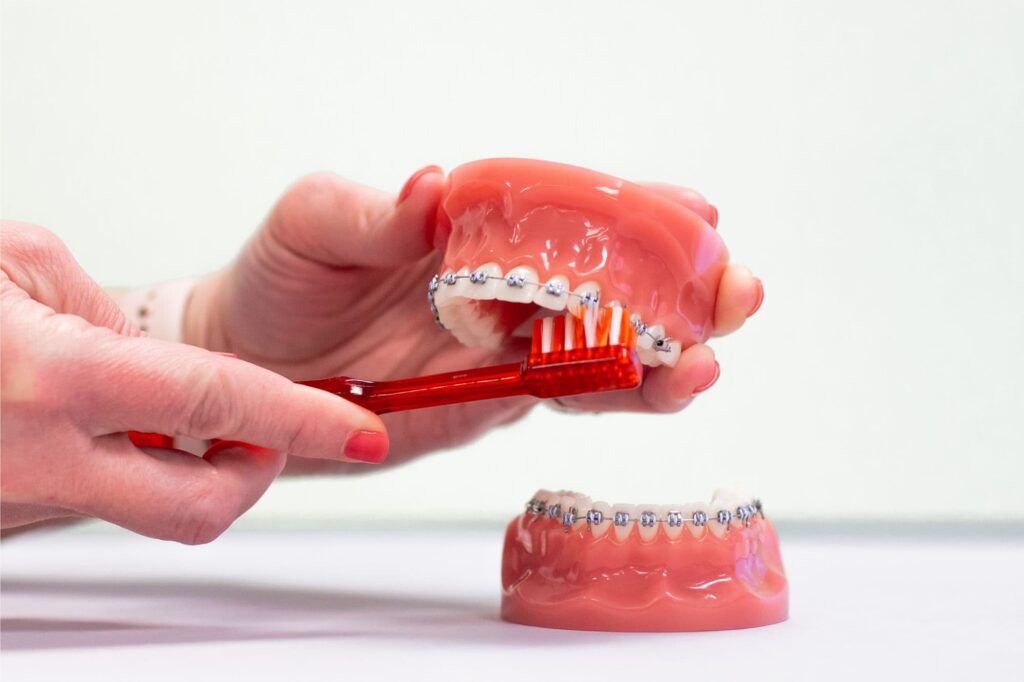
Foods to Eat vs. Foods to Avoid With Braces
Here’s a side-by-side view to keep handy on your fridge. When in doubt, use this chart to decide what makes the cut.
| Category | Safe to Eat | Skip These |
|---|---|---|
| Fruits | Bananas, berries, applesauce, melon, sliced apples | Whole apples, whole pears, corn on the cob |
| Vegetables | Mashed potatoes, steamed veggies, sautéed spinach | Raw carrots, raw celery, crunchy salads |
| Breads & Grains | Soft bread, pasta, rice, tortillas, pancakes | Bagels, crusty rolls, hard pretzels, pizza crust edges |
| Proteins | Scrambled eggs, tender chicken, flaky fish, tofu | Beef jerky, tough steak, ribs with bones |
| Snacks | Yogurt, pudding, cheese, smoothies | Popcorn, chips, nuts, hard candy |
| Sweets | Ice cream, soft cookies, cake, chocolate | Caramel, taffy, gum, gummy bears, Starburst |
| Extras | Cooked oatmeal, hummus, guacamole | Ice cubes, hard tacos, licorice |
A few simple modifications can bring some of your favorites back into rotation. Slice apples into thin pieces instead of biting into a whole one. Cut corn off the cob before eating. Cook raw vegetables until soft. Break crusty bread into small chunks rather than tearing with your teeth.
The main categories to watch out for are:
- Hard foods that can crack brackets (nuts, ice, hard candy)
- Sticky foods that grip your wires and pull them loose (caramel, taffy, gum)
- Chewy foods that require heavy jaw work (bagels, jerky, licorice)
- Crunchy foods that snap and shatter against brackets (popcorn, chips, pretzels)
What to Eat the First Week With Braces
The first week is the most sensitive stretch of your entire treatment. Your teeth are adjusting to new pressure, and biting down can feel tender for about three to five days. Stick to soft and cool foods during this time, and you’ll be comfortable much faster.
Here’s what works best that first week:
- Smoothies and milkshakes
- Yogurt and pudding
- Mashed potatoes
- Soup (warm, not hot)
- Scrambled eggs
- Oatmeal
- Applesauce
- Ice cream
Cold foods do double duty. They’re easy on tender teeth, and the cool temperature helps calm inflammation in your gums. A smoothie or bowl of ice cream after your placement visit is one of the best things you can do for yourself.
Even braces-safe foods like raw veggies or crusty bread should wait until the soreness fades. Give your mouth a full week of gentle eating before easing back into your normal routine.
This same guidance applies after every adjustment appointment. Any time your wires are changed or tightened, expect a couple of days of extra sensitivity and plan your meals accordingly. Most patients find the tenderness resolves well within a week.
Tips for Eating Comfortably With Braces
Once you get the hang of eating with braces, it becomes second nature. These practical habits will make every meal easier and help protect your appliance.
Cut everything into small pieces. Bite-sized chunks reduce the pressure on your front teeth and make chewing simpler. This one habit prevents most food-related bracket damage.
Chew with your back molars. Your back teeth are built for grinding. Your front teeth (and their brackets) aren’t. Shift food to the back of your mouth before biting down.
Rinse after every meal. A quick swish of water dislodges food particles trapped around your brackets. If you can’t brush right away, rinsing is the next best thing.
Brush and floss when you can. Aim for brushing after every meal and flossing at least once a day. Water flossers and floss threaders make the job much easier around braces.
Keep orthodontic wax on hand. If a bracket or wire is rubbing your cheek or lip, a small piece of wax creates a smooth barrier and gives you instant relief.
Call us if something breaks. If a bracket pops off or a wire comes loose, don’t wait it out. Contact Booth Orthodontics and we’ll get you in quickly to make the repair, keeping your treatment on schedule.
Our team at Booth Orthodontics has been guiding patients through braces since 1986, and we’re always here to answer questions, whether it’s about a specific food or a bracket that’s giving you trouble. Dr. Ryan Booth, Dr. Evan Booth, and the entire team want your experience to feel easy from your first visit to the day your braces come off.
Frequently Asked Questions
Can you eat McDonald’s with braces?
Yes, with a few smart choices. Softer items like plain cheeseburgers, chicken sandwiches (skip crispy chicken), scrambled eggs, hash browns, and fries are generally fine. Skip whole chicken nuggets (cut them into small pieces first), Big Macs with tough lettuce, and anything with nuts or hard candy toppings from McFlurries.
Can I chew gum with braces?
Most orthodontists recommend avoiding gum entirely because it sticks to brackets and can pull wires out of place. Some patients are approved for sugar-free gum in moderation, so ask your orthodontist at your next visit before adding it back into your routine.
Can I eat pizza with braces?
Yes. Soft crust pizza is fine, especially when you cut it into small pieces rather than biting into a whole slice. Skip the crusty edges of thin-crust or wood-fired pizzas, since those hard bits can damage brackets. Deep dish and hand-tossed styles work well.
What happens if I eat something I shouldn’t?
First, check for damage. Look in a mirror to see if any brackets are loose, if any wires are bent or poking, or if anything feels different. If your appliance is intact, you’re fine. If something broke or shifted, contact Booth Orthodontics so we can schedule a quick repair visit before your teeth start moving out of position.
Can I drink coffee with braces?
Yes, coffee is safe to drink with braces. Keep in mind that coffee, tea, red wine, and dark sodas can stain the clear elastics around your brackets or discolor clear braces over time. Rinsing with water after drinking helps, and your elastics get replaced at every adjustment visit.
How long until I can eat normally again?
Most patients return to their full normal diet after their braces are removed, which usually happens within 12 to 24 months of starting treatment. Once your retainers are in place, you can enjoy all your favorite foods again. During treatment, sticking to braces-friendly foods keeps everything on schedule and protects the results you’re working toward.
Ready to get started or have questions about your treatment? Schedule your FREE consultation today with Booth Orthodontics in Homer Glen and let’s map out the best path to your new smile.
Related Pages: Orland Park Braces | Orland Park Orthodontics