Picking out colors for your braces is one of the most fun parts of starting treatment, and at Booth Orthodontics, we love helping our patients put their personal stamp on their new smile. Some people want bold neons that announce themselves, while others prefer subtle shades that quietly blend in. Either way, the right color choice can make your time in braces feel uniquely yours. Here’s how to choose the right colors for your braces with confidence at every adjustment visit, with a little help from your orthodontist.
What Are Braces Colors (and Where They Come From)?
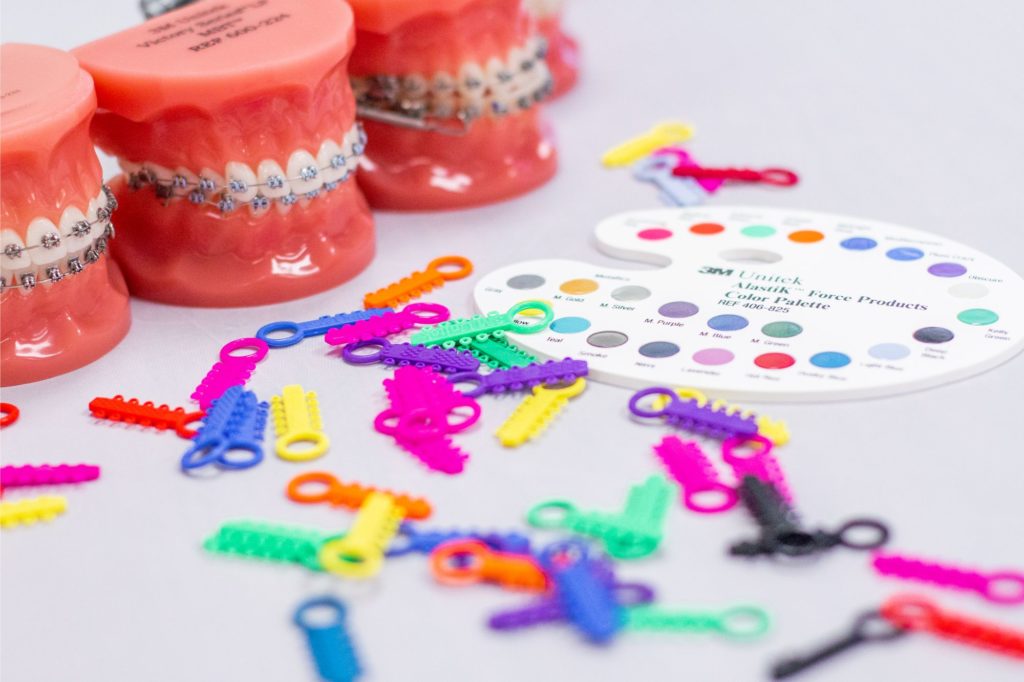
Braces colors come from the small elastic ligatures, often called o-rings, that hold the archwire onto each bracket. Your orthodontist swaps these tiny bands at every adjustment visit, usually every 4 to 8 weeks, so you get to pick a fresh look on a regular basis. Color choice is purely cosmetic and has no impact on how your teeth move.
These colored options only apply to metal braces. Clear braces use clear or tooth-colored ties to stay discreet, and Invisalign uses removable trays with no bands at all. So if mixing and matching shades sounds like the best part of treatment, metal braces are the way to go.
Because the bands are changed at each visit, you’re never locked into one color for the long haul. Hate the orange you picked last time? Swap it for royal blue at your next appointment. This flexibility is one reason kids and teens get so excited about braces, and plenty of adults have fun with it too.
How to Choose Your Braces Colors Step by Step
Choosing a color combination doesn’t need to be stressful. A few simple steps can help you narrow down the options and walk into your visit knowing exactly what you want.
- Think about your features. Your skin tone, eye color, and hair shade all play a role in which colors will flatter you most. Cool skin tones tend to pop with blues, purples, and pinks. Warm skin tones often look great in deeper reds, teal, and dark greens.
- Decide your vibe. Do you want your bands to make a statement, or would you rather they fade into the background? Bold colors like lime green or hot pink draw attention. Darker shades like navy or maroon stay more subtle.
- Try a braces color picker tool. Many free online tools let you preview different shades on a digital smile before committing. A good braces color picker can save you from picking a color you regret the moment you see it in the mirror.
- Match the season or occasion. Red and green for the holidays, orange and black for fall, your school colors for game days, or pastels in spring are all popular picks. Some of our patients plan their colors months in advance.
- Tell your orthodontist your choice. At every adjustment with orthodontist Dr. Ryan Booth or Dr. Evan Booth, just let your orthodontist know what you want. The team will have a color wheel ready, and you can mix two shades for a custom look.
The best part? If you don’t love your pick, you only have to live with it for a few weeks before you can try something new at your next visit with your orthodontist.

Colors That Make Your Teeth Look Whiter
Certain band colors can actually make your teeth look brighter and whiter, while others can highlight any discoloration. Darker shades like deep blue, purple, and teal create strong contrast against your teeth, which makes your smile look brighter. Bold options like royal blue and deep red flatter most skin tones and give a polished, confident look.
Colors to avoid if whiteness is your goal include yellow, gold, and white. These shades sit too close to the natural tone of teeth and can actually make them appear more yellow by comparison. Clear bands sound like a great idea in theory, but they tend to pick up stains from coffee, tea, curry, and berries, which can leave them looking dingy by the time your next visit rolls around. Gray bands have a similar issue and dull over time.
If you want a brighter-looking smile during treatment, stick with rich, saturated tones. Plenty of our patients say the right color choice gave them a confidence boost while they waited for their new smile to fully come together.
Least Noticeable vs. Bold Braces Colors
Some patients want their braces to disappear, while others want to show them off. Here’s a quick comparison of the least noticeable braces colors and the bold ones to help you decide which camp you’re in.
| Style | Color Options | Best For | Stain Resistance |
|---|---|---|---|
| Subtle | Clear, silver, gray, dark blue, dark purple | Adults, professionals, low-key looks | Dark shades resist stains; clear and gray stain easily |
| Bold | Hot pink, lime green, neon orange, electric blue, red | Kids, teens, sports fans, personality fans | Most bold colors hold up well |
| Themed | Two-color combos like red/green, blue/yellow, purple/pink | Holidays, school spirit, special occasions | Varies by combo |
Subtle options tend to be the go-to for adults who want a more professional appearance during treatment. Silver and dark colors blend in well and don’t pull focus during meetings, video calls, or photos. These least noticeable braces colors keep the spotlight on your face, not your brackets.
Bold colors are where kids and teens shine. Neon shades, bright primaries, and unexpected combos let our younger patients express their personality and even change up their look from month to month. Mixing two colors per visit is also a fun way to create something totally custom, whether that’s your team’s colors or just a combo you think looks cool.
Do Braces Colors Cost Extra?
No, colored bands are included in the standard metal braces price. Changing your colors at each adjustment visit usually costs nothing extra. Your color choice has no effect on the overall price of treatment, and you’re free to switch things up as often as your visits allow.
Only metal braces include colored band options. Clear braces use clear or tooth-colored ties to keep the discreet look, so there’s no color customization there. Invisalign has no bands at all.
If you have questions about insurance & finances or want to talk through payment plans, our team at Booth Orthodontics is happy to walk you through your treatment options. The color part of braces is one of the few things you never have to budget for.
Who Can Choose Braces Colors?
Color options are reserved for patients with metal braces. The colored o-rings are part of how metal braces work, so if you want to play with shades, this is the treatment to go with. Patients with clear braces still get the ligature ties, but they’re either clear or tooth-colored to keep that nearly invisible look. Your orthodontist, Dr. Ryan Booth or Dr. Evan Booth, can walk you through the differences at your free consult.
Invisalign patients don’t have brackets or bands at all, so colors aren’t part of the equation. The trays are clear and removable.
A few quick notes on who picks what:
- Kids and teens often go all-in on colors, picking new combinations every visit to match seasons, sports, or just their mood.
- Adults tend to prefer subtle shades like silver, dark blue, or clear ties for a more professional look, though plenty of grown-ups enjoy having fun with it too.
- Parents of younger kids sometimes let their child pick the color as a way to make adjustment visits feel exciting rather than something to dread.
No matter your age, orthodontics for all ages means everyone deserves a beautiful smile, and a little color choice can make the time in treatment more fun. We care about your smile at every stage, and personalizing your bands is one small way to make the process your own.

Frequently Asked Questions About Braces Colors
What braces colors make teeth look whiter?
Dark blue, purple, and teal are the top picks for making teeth appear whiter. These shades create strong contrast against your enamel, which makes your smile look brighter. Deep reds and rich jewel tones also work well for most skin tones and give a polished finish.
What colors should I avoid?
Yellow, gold, white, and clear bands are usually the colors to skip. Yellow and gold can highlight any natural discoloration in your teeth, while white can clash with your enamel and look off. Clear bands seem like a safe bet at first but tend to stain quickly from coffee, tea, and pigmented foods.
How often can I change my braces colors?
You can choose new colors at every adjustment visit, which usually happens every 4 to 8 weeks. That gives you several chances per year to switch things up based on the season, a holiday, or just your mood. Your orthodontist will have a color wheel ready at each visit.
Do certain foods stain braces bands?
Yes. Coffee, tea, red wine, curry, tomato sauce, berries, and brightly colored candies can all leave stains on lighter-colored bands. If you love any of these, sticking with darker shades like navy, black, or deep purple will help your bands look fresh until your next adjustment with your orthodontist.
Can adults get colored braces?
Absolutely. Adults can pick any color they want, though many prefer subtle options like silver, gray, or dark blue for a more discreet look during work and social events. At Booth Orthodontics, orthodontist Dr. Ryan Booth and Dr. Evan Booth see plenty of grown-ups who enjoy a pop of color, and they’re glad to help you find a shade that fits your style. If you’d rather skip color choices entirely, clear braces or Invisalign might be a better fit, and your orthodontist can help you weigh the options at your free consult.